December 2025 Part 2: Five-Spice Beef + Gift Cards
December 11, 2025
The Countdown
Season's Greetings, Friends of The Mala Market,
One last greeting from us this year to let you know the shipping dates that will get your cooking and gifting orders to you or your recipient by Christmas Eve.
Western half of the U.S.: Order by Sunday, Dec. 14 Eastern half of the U.S.: Order by Tuesday, Dec. 16
Orders placed after these dates may still arrive on time, but these are the safety dates that will allow us to meet the carriers' deadlines.
P.S. Reduced-rate shipping continues! Thank you so much for sticking with us this year as we paid an average 55% tariff. We truly appreciate your support.
Mala Market Gift Card
$25.00 - $200.00
Let them pick their own gift!
Please note that the recipient will not receive the gift card from us.We will send it to you, and you can forward it with your gift message at your convenience.
After your purchase, you will receive an email from us within 24 hours with the gift card code that you can deliver to the recipient on your schedule.Please email us if you need it more quickly. You do not need to enter the recipient's name and address, only your own. They will use the gift card code to place their order
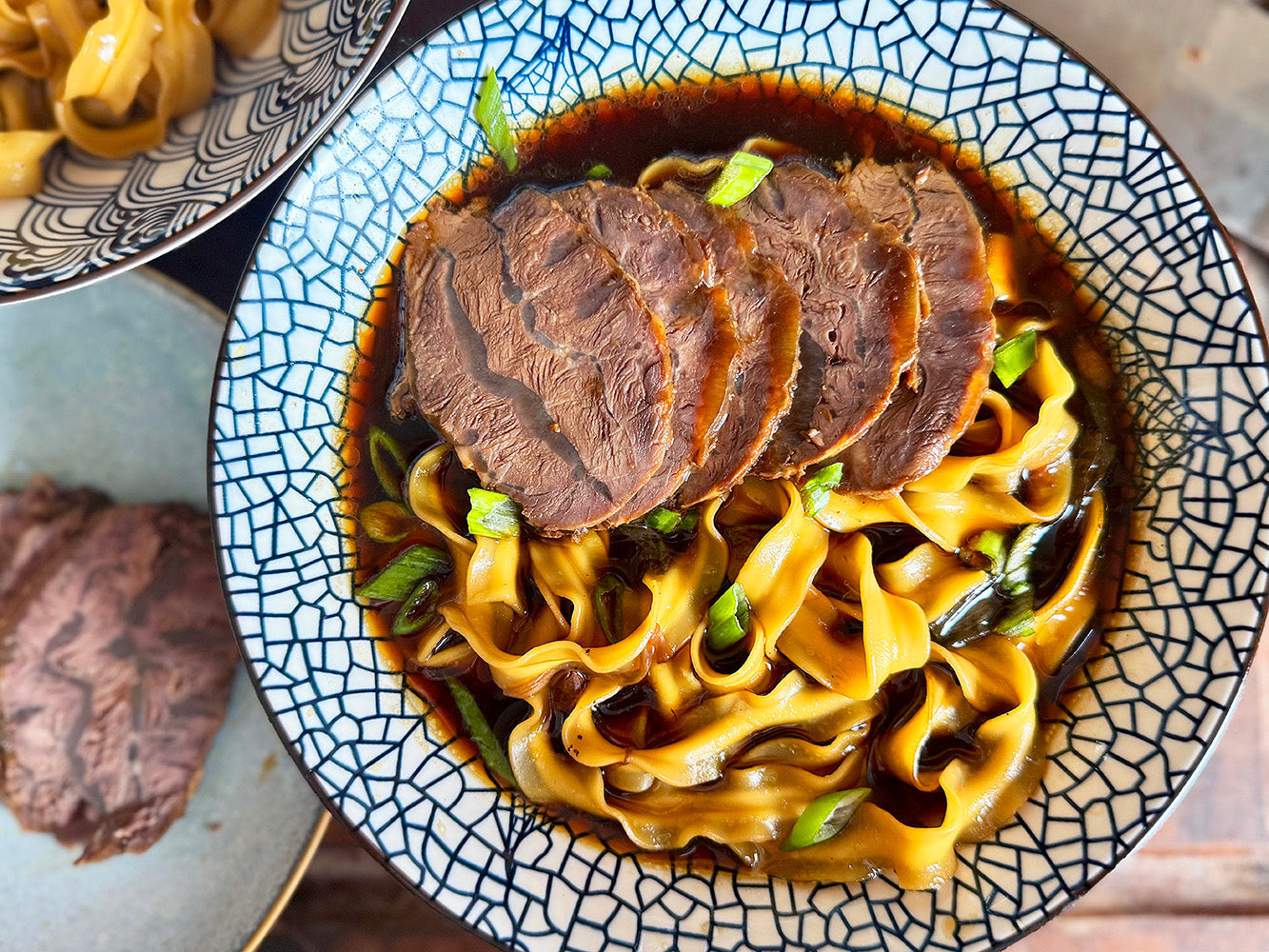
With the smell of spice wafting through the air, your kitchen is going to feel extra festive as you braise some five-spice beef this holiday season. Zoe Yang brings us this super versatile recipe—cook it once, serve it multiple ways—along with the spicy history of its origins.
"China, where pork is king, is not usually known for beef, yet there is one beef dish that is practically ubiquitous, found everywhere from Nanjing to Beijing, on fine restaurant menus and wet-market steam tables. This dish isfive-spice beef (wǔxiāng niúròu, 五香牛肉), sometimes also simply called braised beef (jiàng niúròu, 酱牛肉). It’s a pretty simple dish: just a hunk of beef—usually the tough but rewarding shank—that is slowly braised in a melange of spices and sauces until it is deeply flavored and toothsome.
"I think the reason five-spice beef is so immensely popular is that it’s such a versatile dish. Cooks all across the country have adapted it to suit their own palates: In Sichuan, people may throw a handful of dried chilies in the braising liquid, or perhaps add somedoubanjiang. In the South, there are variations that includefermented tofuand/or dried tangerine peel.
"This versatility also extends to how it’s served: In Shanghainese restaurants, you’ll find five-spiced beef sliced and served simply, as part of a cold appetizer (凉菜) suite that might also includesmoked fishanddrunken chicken. In Dongbei restaurants, you’ll see it stuffed inside shao bing or dressed with punchyblack vinegarand garlic as a salad (as in the photo above). And at humble noodle stands across the country,you can find it used as a topping for soup noodles"(as in the photo at the very top).
Zoe then delves into a search for the origins of five-spice beef and finds a tale of a Hui Muslim cook whose braised meat "became a foodie status item among the Beijing elite; Empress Dowager Cixi is said to have been extra fond of it....
"When it comes to spices, I like to stay close to the dish’s Northern Chinese Muslim roots, so that’s the interpretation you’ll find here. The old hands atLao Fan Guclaim that the imperial version of five-spice beef—the version the palace chefs would have made for Qianlong and Cixi—had a number of Chinese medicinal ingredients. They probably did this to be fancy and because beef is considered nutritious and beneficial to health in Traditional Chinese Medicine."
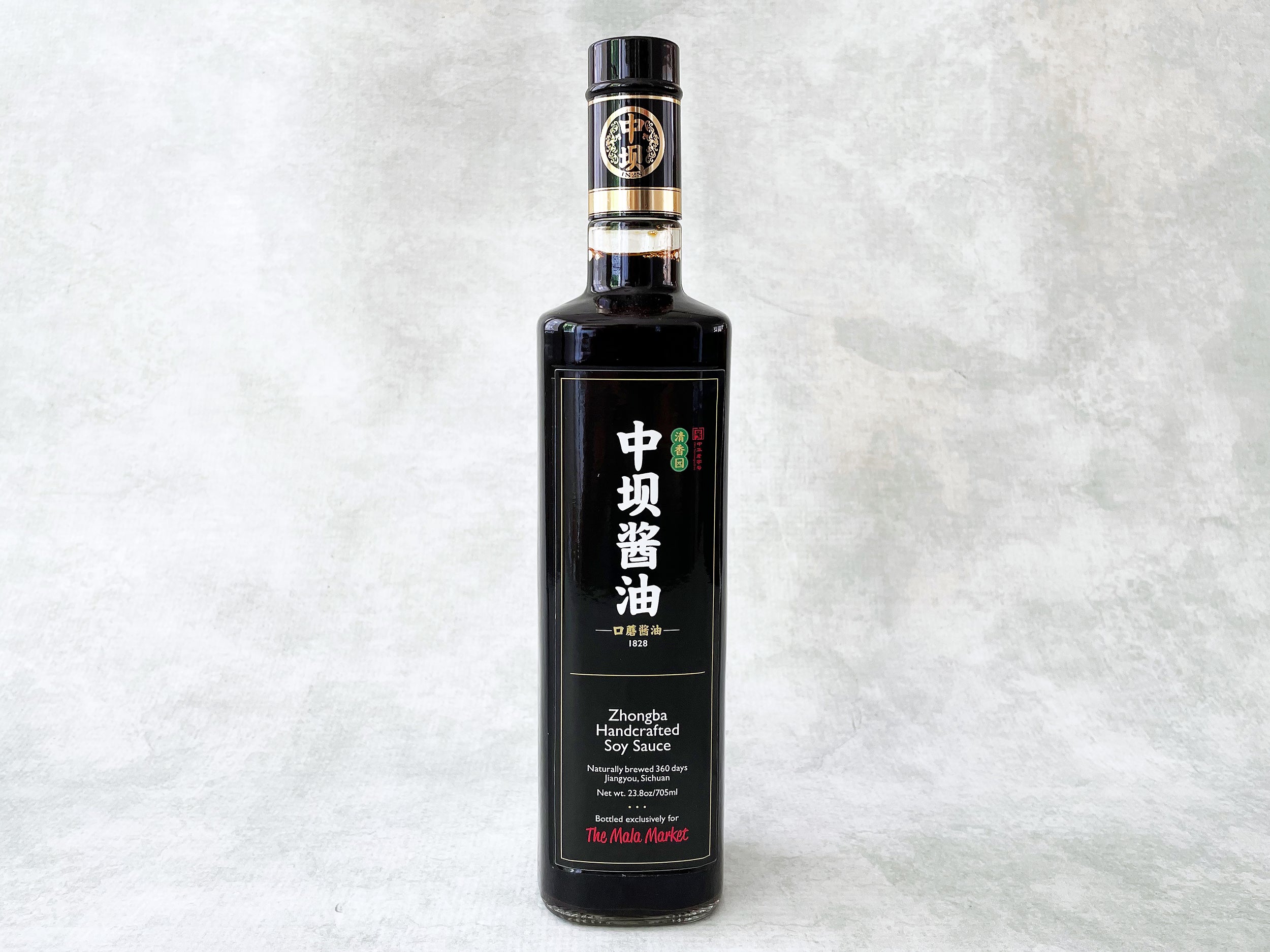
Some of our customers gift thislargeand impressive bottle of handmade soy sauce to all of their family and colleagues every year because a premium, ultra delicious soy sauce is something anyone would enjoy.
As Andrea Nguyen says, "I like this handcrafted soy sauce from Mala Market—it’s inky and thick and luscious tasting... And why can’t we have nice-quality Asian ingredients to use, too? I’m like, hello, if I’m going to spend that much money for olive oil, why don’t I spend that much money for soy sauce?"
A longtime Mala Market customer who lives in Canada shared with me his Thanksgiving menu this year, and I was so impressed with how he married Western holiday meal traditions with Sichuan food, that I feel I have to share it with you (even if he didn't want credit). I hope you are as inspired as I am!
References to "your recipe" are from our blog. And all references to Dunlop are from Fuchsia Dunlop's classicFood of Sichuan, which many of you already own. And if you don't, what are you waiting for? No Chinese-food lover should be without it.
EAST MEETS WEST HOLIDAY MENU
Heartbreak jelly noodlesw/wild NWT cranberries picked by a friend (your recipe with cranberries for Thanksgiving)
Cold dressed rabbit (Dunlop)
Slivered potato (Dunlop)
— Sweet fragrant soy sauce and chili oil dumplings (mine)
Steamed beef w/rice meal in banana leaf (Dunlop, wrapped in leaves from our banana tree)
Sichuan dry fried green beansw/slivered almonds (your recipe, dry-fried method, with almonds for Thanksgiving. Actually that addition wasn’t very good. I’d save it for deep-fried method.)
— Huajiao gelato(Your method but my recipe for the base because I trained in a gelato shop. Left the huajiao in the base 12 hours which I recommend. Used your sesame swirl.)
Complete Sichuan Pantry Collection
$145.00
Our most popular collection is the one that sets someone up to immediately start cooking all the Sichuan classics: mapo tofu, dan dan noodles, Chongqing chicken, yuxiang eggplant and five more recipe cards included!