Like many of us in 2025, Sichuan pepper faced difficulties, including both freezing conditions and drought during the growing season, resulting in a small and uneven harvest. Our Chengdu team put in lots of extra effort to get the large quantities of superior hua jiao we order, rejecting many batches presented to them as premium.
Suki visits the farmer coops every year to select the very best batches, but this year she also watched her selections loaded onto the trucks in the growing areas (Qingxi in Sichuan, and Wudu in Gansu province) to make sure there was no substitution of inferior product. We learned from her that sometimes the expensive, rare spices you purchase onsite are not the ones that actually show up later at your warehouse!
So consider this year's batch of the ultimate-grade Sichuan pepper even more rare and precious than usual and use it in good health!
🌶 Taylor & Fongchong 🌶
P.S. We've got a new noodle in this shipment as well! What noods are we adding to our lineup as soon as we get them packaged? Watch this space.
Guizhou Lazi Ji
Here's the perfect new dish to try out with your fresh new Sichuan pepper and Guizhou-grown chilies.
While the dish shares a name with Sichuan's lazi ji—you know, that dish where the chicken bits are buried under a mound of whole dried chilies—Guizhou's version of chili chicken, (Guìzhōu làzǐ jī, 贵州辣子鸡), turns a dry stir-fry into a saucy braise. FC and I were knocked out by this dish when we had it in the Guizhou capital of Guiyang a couple years ago and later asked Xueci Cheng if she could develop a recipe for it. She visited Guizhou's chili-trading capital of Zunyi (where the Mala Market's chilies are grown) in search of the quintessential local recipe for this gloriously red, moderately spicy chicken.
"The diner we chose, Sister’s Laziji (姐妹辣子鸡), which was recommended by Chinese social media)," writes Xueci,"was in a downtown produce market and was operating in full swing: Two aunties were breaking down chickens with astonishing speed and ferrying piles of chopped meat to a cart, while a small team of cooks tended a dozen big woks, stirring with meticulous focus.Guests sat at small foldable tables, on plastic stools, savoring chicken served with plain rice. Each order was cooked from scratch, which meant a 40-minute wait. The finished dish arrived in a stainless-steel bowl, the chicken bathed in a deep red chili sauce....
"The base of this dish, and many other traditional Guizhou dishes, is a chili paste called ciba lajiao, which literally translates as “rice-cake chili,” a name that references its sticky texture.To make ciba lajiao, you first simmer dried chilies in hot water, then pound or blend them with ginger and garlic until you have a thick, sticky paste. This paste can be used for everything from rich braises to regional chili oils."
Sichuan Dried Chili Collection
$48.00
We know you've missed these fragrant, fruity, super fresh and pliable chilies that are a backbone of Sichuan dishes. This beautiful harvest has been expertly dried by the farmers in Guizhou. I don't know how they dry them to be so soft without inviting mold, but they do, as Guizhou province has the most advanced chili-growing and -processing knowledge in China (and probably the world).
This collection includes all four of Sichuan's most popular chilies at a 10% discount off individual prices.
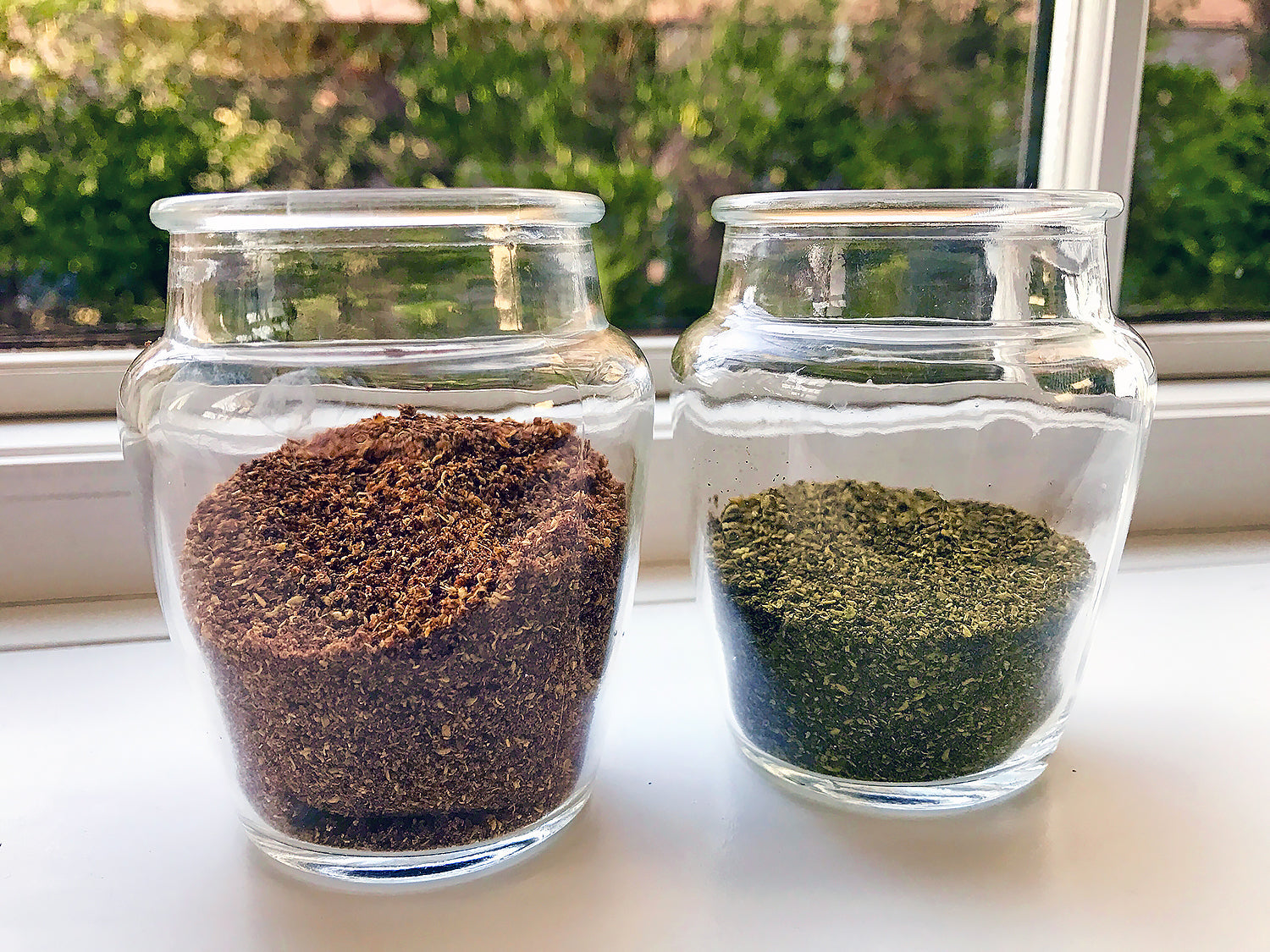
Whether used whole, slightly crushed in a mortar and pestle, or fully ground in a spice grinder like the red and green Sichuan pepper powders in the top image, these recently harvested hua jiao pack a major punch.
A little smaller and darker red than some years due to the difficult growing season, they're still bursting with volatile oils, robust fragrance and potent numbing power.
This sampler includes 1/2 cup of each of our major Sichuan pepper varieties.
Our regular-size bags hold 1 cup of hua jiao and can be purchased individually:
I usually use lantern chilies inmy Chongqing chicken, for the wow factor, and ATK uses facing heaven, but really any moderately hot Guizhou-grown chili will work—as long as you usea lotof them! (Leave them whole, so they don't blow your head off as you eat.)
If it feels slightly wasteful for home cooking, ATK has a useful tip about recycling the chilies in another stir-fry or in chili oil once you've eaten the chicken.
Fresh-Pressed Sesame Paste
A fresh batch of Shandong stone-ground roasted-sesame pastehas arrived as well. In the early days of its shelf life it is easy to stir, as the oil has yet barely separated from the solids, a process that occurs with every all-natural nut paste/butter over time.
This is a product that also varies slightly by batch, depending on the sesame crop and roasting level. This batch is particularly golden and nutty, with no bitter edge. Indispensable for many Chinese noodles and sauces, this sesame paste is also divine mixed with honey as a spread.